


Important things to know :
Entry price is {15-25}
12:00 PM - 5:00 PM
2-3 hours
About Lick Observatory
Introduction
High above the bustling heart of Silicon Valley, the Lick Observatory invites travelers to pause, look up, and reconnect with the cosmos. It’s not just an observatory—it’s a mountaintop sanctuary where science, history, and wonder meet. Whether you come for the starlit skies, the sweeping views of California, or the timeless story of discovery, the experience stays with you long after you leave.
Location & Overview of Lick Observatory
- Location: Mount Hamilton, California, USA
- Opened: 1888
- Significance: The first permanently occupied mountain-top observatory in the world.
- Architectural Style: Majestic 19th-century domes paired with functional, research-driven design.
- Quick Facts:
- Funded by philanthropist James Lick, who dreamed of building the greatest observatory of his time.
- Home to the 36-inch Great Refractor, once the world’s largest refracting telescope.
- Operated by the University of California Observatories, still conducting vital research today.
- A pioneer in blending public education with active scientific work.
The observatory is both a monument to human curiosity and an active hub of astronomical exploration.
Best Time to Visit Lick Observatory
- Season: Spring (April–June) and Fall (September–October) bring crisp air and clearer skies.
- Weather: Expect warm days in summer but chilly nights year-round—perfect stargazing conditions.
- Best Time of Day: Sunset is unbeatable—the sky glows gold, then deepens into a canopy of stars.
- Special Events: Look out for Evening Tours and Summer Series Programs, which feature telescope viewings, lectures, and unique night-sky experiences.
Tickets & Entry Information for Lick Observatory
- Hours: Open most days for daytime visitors (self-guided). Evening access is event-based.
- Entry Fees:
- Daytime: Free access to public areas and exhibits.
- Evening Programs: Typically $20–$30 per ticket.
- Booking: Required for evening events; book through the official University of California Observatories site.
- Last Admission: Arrive early for evening programs—parking and seating are limited.
Things to See / Key Attractions at Lick Observatory
- The Great Refractor Telescope: A gleaming brass and glass marvel, once the pride of astronomy.
- Shane 3-Meter Telescope: Still actively used for cutting-edge research.
- Exhibit Halls: Displays on astronomy’s history, James Lick’s story, and modern research.
- Panoramic Views: Sweeping sights of the Santa Clara Valley and beyond—ideal for photographers.
- Hidden Gem: Step outside during an evening event to savor the quiet mountain air, punctuated only by the hum of crickets and the whisper of the wind.
Visitor Tips for Lick Observatory
- What to Bring: Warm clothing (nights get cold), a flashlight, and water.
- Footwear: Comfortable walking shoes—the grounds can be uneven.
- Accessibility: Select areas are wheelchair accessible, though some older structures may pose challenges.
- Duration: 2–3 hours for a daytime visit; longer if attending evening programs.
- Avoiding Crowds: Weekdays are calmer. Book tickets early for evening events—they often sell out.
How to Reach Lick Observatory
- Nearest Airport: Norman Y. Mineta San José International Airport (about 60 minutes away).
- By Car: A scenic 20-mile drive from San Jose via Mount Hamilton Road. Note: it’s winding and narrow, so drive carefully.
- Public Transport: Not available directly—driving or private tours are the only practical options.
- Parking: Limited free parking on-site.
Nearby Attractions & Where to Eat
- Nearby Attractions:
- Alum Rock Park – Hiking trails and mineral springs in one of California’s oldest parks.
- Rosicrucian Egyptian Museum – A fascinating cultural stop in San Jose.
- San Jose Museum of Art – A creative complement to a science-filled day.
- Where to Eat:
- The Grandview Restaurant – Upscale dining with panoramic valley views, just down the mountain.
- Downtown San Jose Eateries – Local favorites include cozy cafés and global cuisines.
Who Lick Observatory is Best Suited For
- Couples: A romantic escape into the night sky.
- Families: Engaging exhibits and thrilling telescope views for kids and parents alike.
- Solo Travelers: A peaceful and reflective journey to the stars.
- Photographers: A dream setting for both landscapes and astrophotography.
- History Lovers: A rare chance to walk through a site that shaped astronomy’s history.
Legends, Trivia, or Fun Facts about Lick Observatory
- James Lick was originally buried under the Great Refractor—literally beneath the telescope he funded.
- The observatory was once the most advanced in the world, setting global standards for astronomical research.
- Its telescopes have been used to discover moons, comets, and distant galaxies.
- Pop culture has also spotlighted the observatory, with appearances in documentaries and films.
Important Tips
People also ask :
Yes, during evening programs guests can view planets, the Moon, and stars through historic telescopes.
Light snacks and water are fine, but there are no dining facilities on-site. Eating inside telescope domes is not allowed.
Address
728 Lick Observatory Rd, San Jose, CA 95125
Explore
San Jose's Beauty
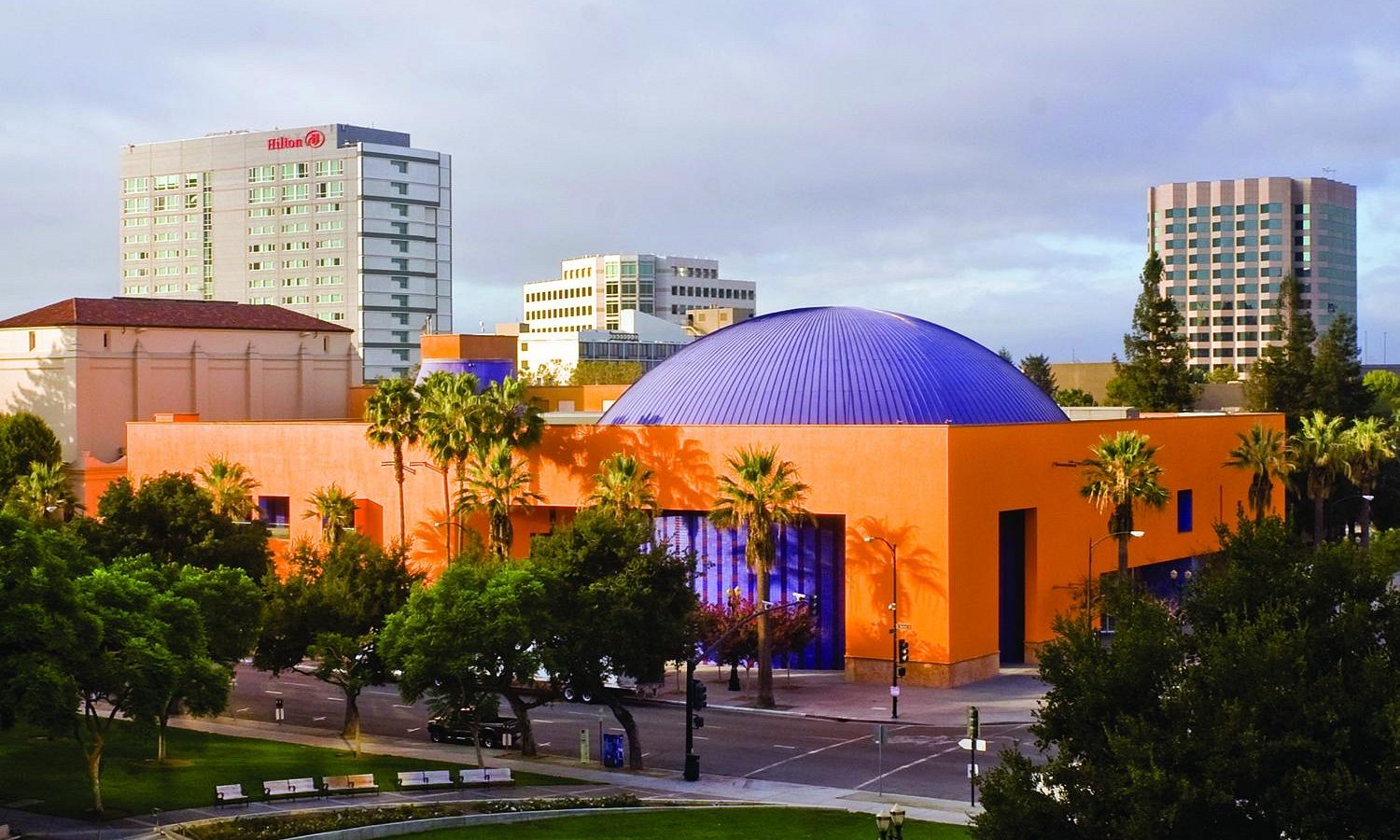
The Tech Interactive, San Jose
Step into the future at The Tech Interactive in San Jose! Explore hands-on exhibits, marvel at IMAX films, and unleash your inner innovator in the heart of Silicon Valley. Perfect for curious minds of all ages!
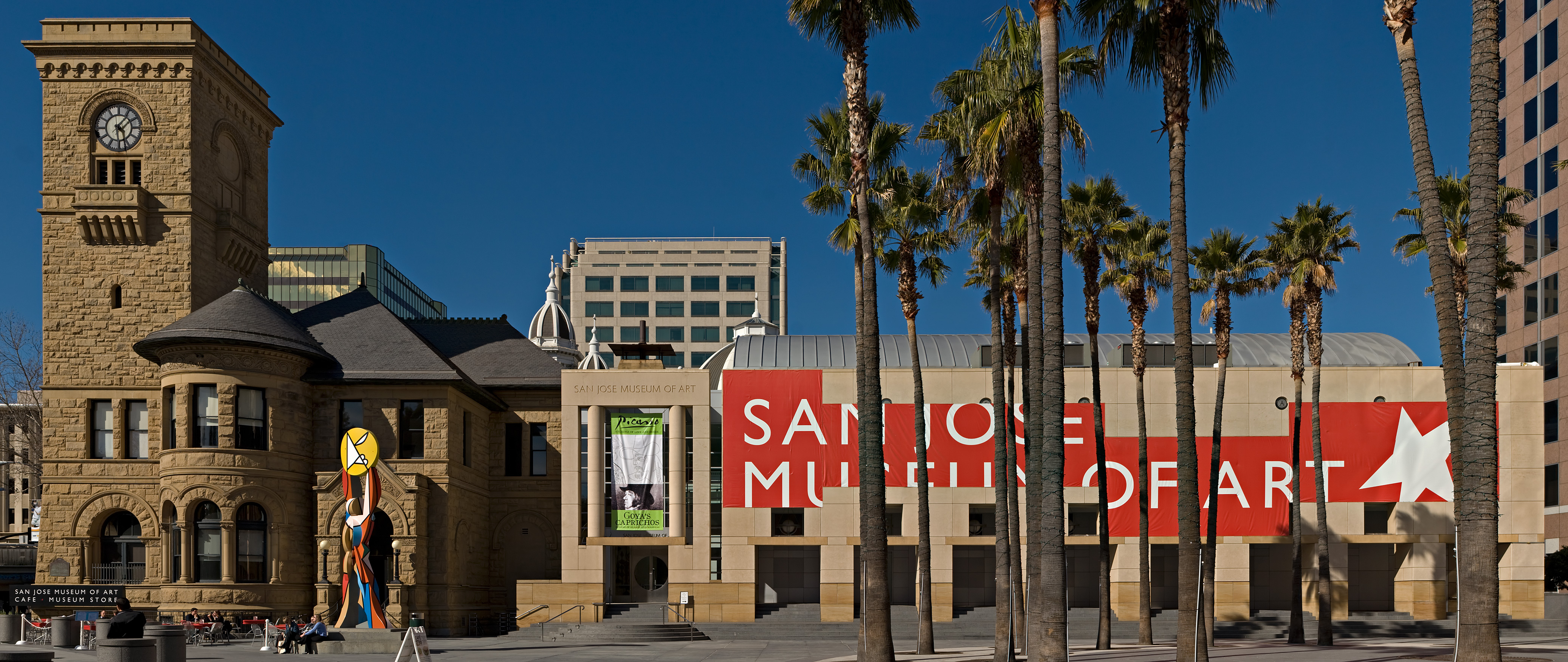
San Jose Museum of Art, San Jose
Discover the vibrant world of contemporary art at the San Jose Museum of Art! With stunning exhibitions, historic architecture, and engaging programs, it’s a cultural oasis in Silicon Valley. Perfect for art lovers and curious travellers alike!
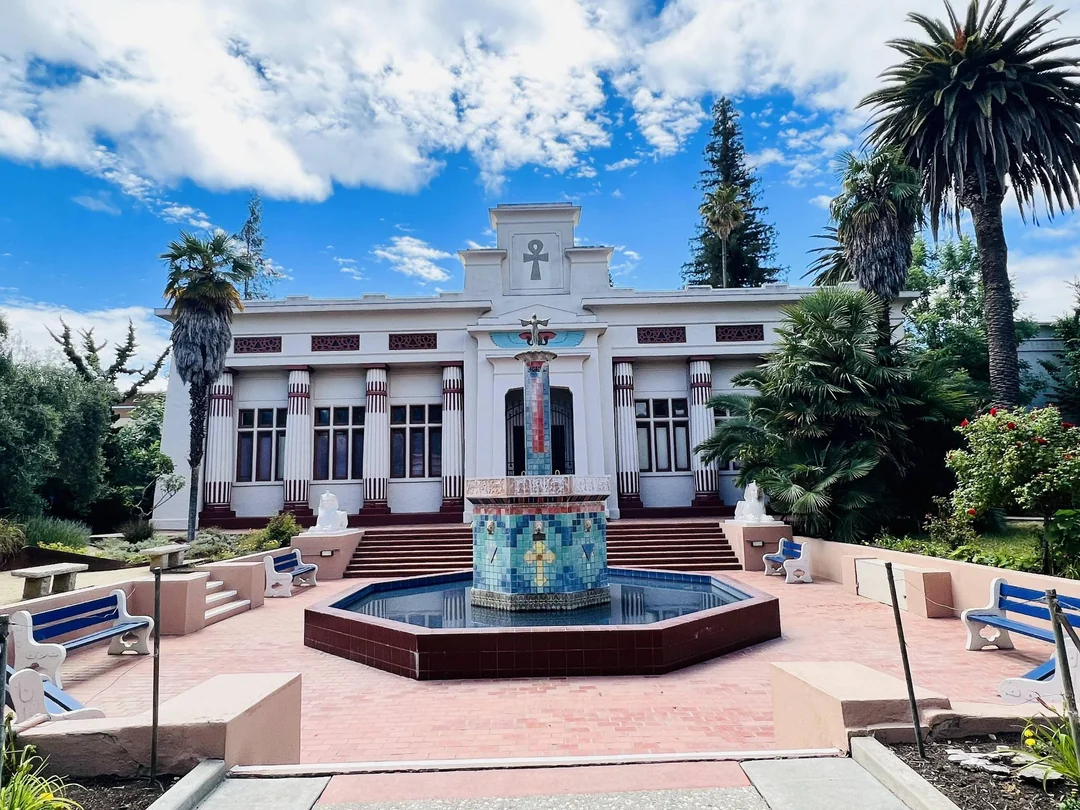
Rosicrucian Egyptian Museum, San Jose
Journey to ancient Egypt at the Rosicrucian Egyptian Museum in San Jose! Explore mummies, artifacts, and a replica tomb in this captivating museum. A must-see for history lovers and curious travellers!
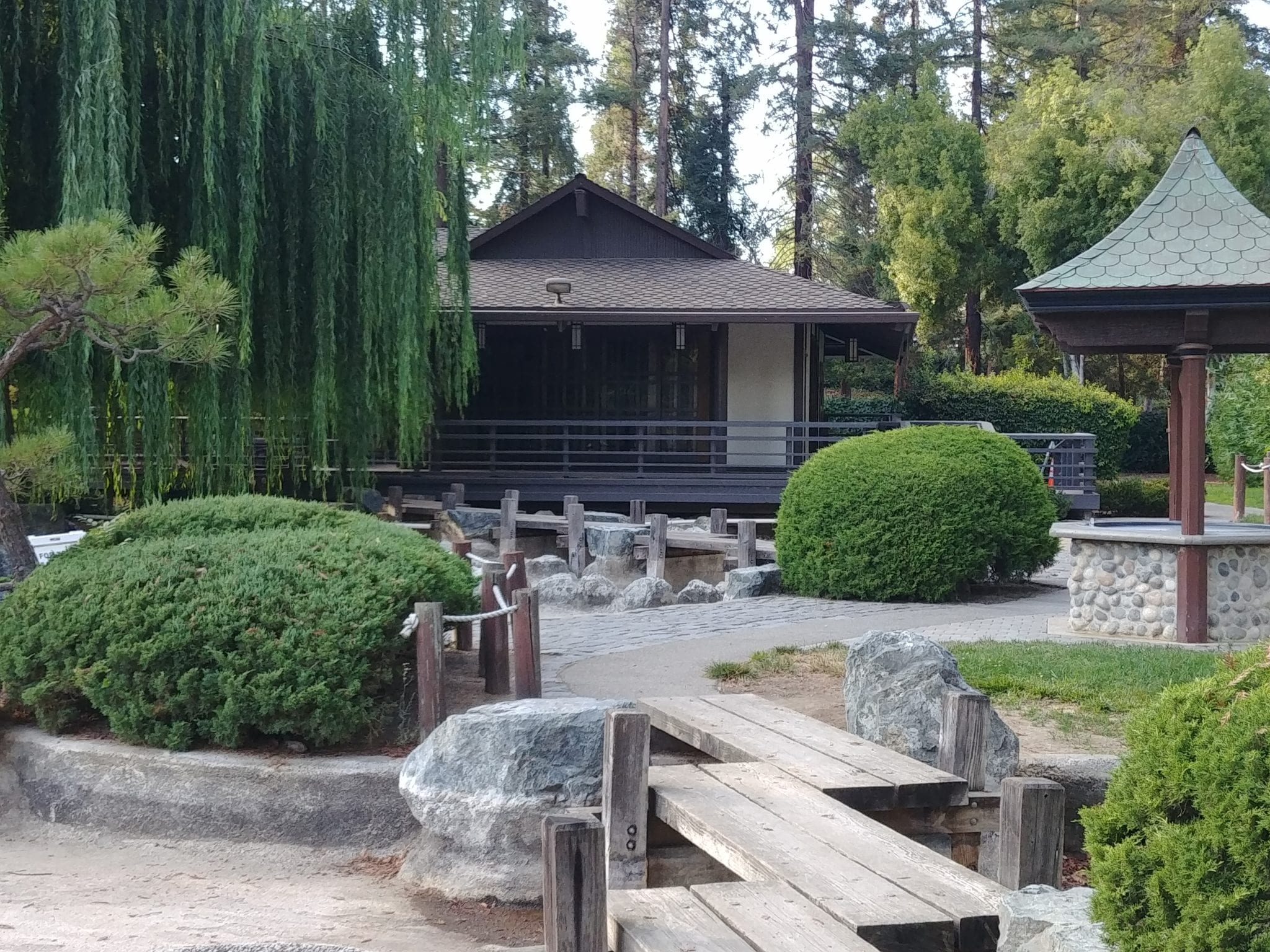
Japanese Friendship Garden, San Jose
Find peace at the Japanese Friendship Garden in San Jose! Stroll through serene koi ponds, cherry blossoms, and traditional Japanese landscapes. A perfect escape for nature lovers and culture enthusiasts!

San Pedro Square Market, San Jose
San Pedro Square Market is the heart of San Jose’s dining and social scene, offering a lively mix of gourmet food, craft drinks, and local charm. Perfect for travellers seeking a taste of the city’s culture, this bustling marketplace is a must-visit for foodies and explorers alike.
Explore More
Read More
Latest Blogs
.jpg?alt=media&token=a87f9fe2-b141-4b72-9734-8eeccad91b83)
Top 5 Monuments in San Jose
San Jose, the cultural and technological heart of Silicon Valley, is not just a hub for innovation—it's also a city rich in history, art, and architectural beauty.
A Foodie’s Guide to the Top Local Food Joints in San Jose
Explore the best bites in San Jose, from casual cafés to family restaurants that foodies and locals simply adore.
Explore California on wheels: Best road trips near Sacramento
Are you searching for scenic road trips near Sacramento? Winding wine country, coastal getaways, and alpine escapes, this guide includes some of the best scenic routes within hours of Sacramento, with a few surprises thrown in. You will find activities that include history, nature, food, and a bit of fun, along with some reliable travel tips and recommended routes for each of these experiences.

Plan The Ultimate Campervan Trip in California With Must-Visit Places
Plan the perfect California campervan trip exploring redwood forests, coastal routes and national parks with convenient camping spots along the way.

Sunsets, Sounds, and Sea Breezes: Inside the CRSSD Festival, San Diego, California
CRSSD Festival, San Diego, California, is a glorious sunny weekend of electronic music that combines house, techno, and coastal charisma in one amazing stay. This biannual festival, held at the beautiful Waterfront Park, has turned into an event on the calendar for lovers of music, wanderers, and people who are after good vibes under palm trees.
Read All